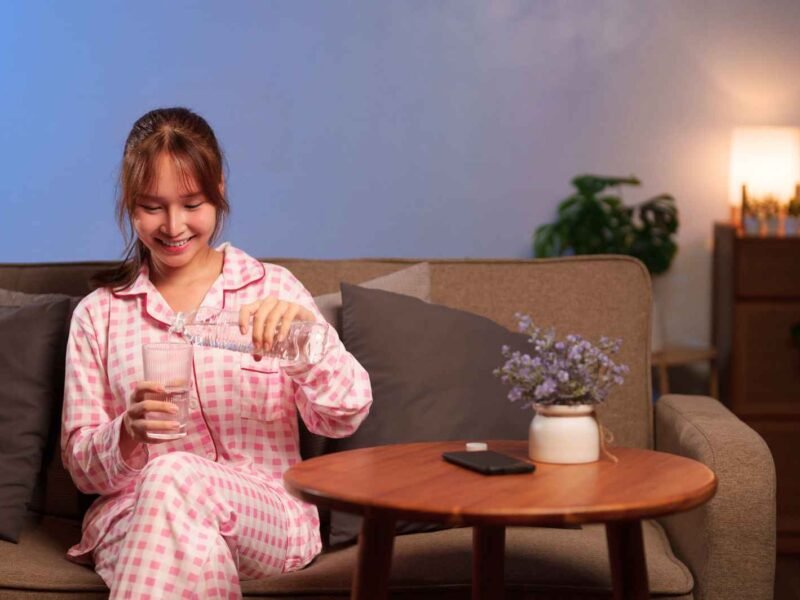
We live life in our society at a fast pace, with ample pressure and sometimes even surrounded by chaos. From work pressures, family pressures, social obligations and nonstop digital connection, lots of people are doing a poor job of looking out for their health. Death feels like something to avoid, anyway. Wellness is often experienced as a luxury an add-on that takes more time or effort or money, so why even bother? In fact, burnout is so pervasive in our lives right now.
Knowing The Wellness From A Hustle And Bustle Life
Wellness is not only about exercising or eating well. It encompasses physical health, mental stability, emotional balance and daily habits that help them live healthy. Wellness-itis is an outgrowth of our frenetic lives: we think that if a little effort is good, then a lot must be better.
A lot of people think wellness has to mean strict regimens or sweeping lifestyle overhauls. Wellness, in fact, works best when it naturally integrates into daily life. Actions that are small but done consistently, have stronger impact than few intense bursts of efforts here and there.
Why Burnout Happens So Easily Today
Burnout occurs when the body and mind are under chronic stress for long periods of time without sufficient time to rest and recover. Schedules are too packed, deadlines don’t let up and digital devices keep beeping. Symptoms of burnout, including tiredness, lack of interest in activities you once loved, inability to sleep and emotional exhaustion often go overlooked by many people. As time goes by, the symptoms gradually become stronger, impacting health, productivity and relationships.
Redefining Wellness For Real Life
One of the most important boosts to staying healthy is redefining what it means to be well. Wellness shouldn’t have to be perfect or on trend.
For busy people, wellness means:
- Feeling energized most days
- Managing stress in healthy ways
- Balancing work and rest
Realistically defined, wellness is attainable rather than stressful.
Starting With Small And Simple Habits
Habits are easier to stick with than large lifestyle adjustments. There’s no way in a modern, active life to be told to spin clockwise on Tuesday and counter-clockwise on Wednesday. Some small acts of wellness could entail get more water in a day, stretching for a couple minutes or getting up and taking breaks from work. They are small, seemingly inconsequential habits but over time they lead to real changes.
Exercise That You Can Incorporate Into Your Daily Life
Yes, physical activity is important, but it doesn’t have to be time consuming. A lot of people don’t work out because they think that doing so means spending half an hour pounding away at the treadmill or slaving in spin class. Work in naturally occurring movement like walking, stretching and ranging of motion light activity throughout your day. Short movement breaks can even boost circulation, energy and mood.
- Short walks during breaks
- Stretching after long sitting periods
- AM or PM Light Duty
These are small actions that help with physical health and don’t require being fatigued.
Managing Stress With Simple Practices
Stress first aid Health without burnout requires learning and practicing good stress management. Suppressing stress usually results in burnout. Basic stress-management techniques include reflex deep breathing and brief periods of silence, or taking time away from one’s screens. These methods relax the nervous system and clear the mind. Stress doesn’t have to be completely defeated either. The pain is something that needs to be tended to in healthy ways.
Prioritizing Sleep Without Guilt
In fast-paced lives, sleep is usually what gets pushed aside first. Some people think that the less you sleep, the more productive you are, but this tends to result in burnout. Good sleep is assumed to help with focus, emotional health and physical recovery. Small changes to your sleep routine can even help. Basic sleep-friendly habits, such as establishing consistent sleeping schedules and limiting screen time before bed, are listed in the guidelines. The foundation of wellness is good sleep, not a luxury.
Fueling For Energy, Not Perfection
You don’t have to follow a precise diet plan or make the dinner yourself. Simple and nourishing food options for busy lives. Eating regular meals and fruits and vegetables, staying hydrated are all fuel strategies. Perfection is not necessary. Moderate and steady eating habits are better for long-term health than extreme diets.
How To Create Healthy Boundaries In Your Everyday Life
Boundaries are crucial for avoiding burnout. When people are boundaryless they will frequently feel burned out and emotionally exhausted. They can be such things as limits on working hours, the ability to say no when necessary or curbing digital saturation. We need to preserve personal time for our mental and emotional health.
Making Time For Mental Rest
And mental recovery is as vital to health, if not more so, than physical rest. Constant thinking, planning and multitasking drain the mind. Mental rest is something you can create on a simple activity such as reading, listening to music, or going for a walk without pressure. Even a little mental quiet can help focus and lift the mood.
Building A Flexible Wellness Routine
It is often the rigid set of living patterns that causes us to feel stressed and to give up in despair. 9 A flexible wellness routine It adjusts to busier days and will be as enjoyable in-between seasons. Some days you may have more time to care for yourself, while other days, less. Flexibility is what allows people to stay consistent without feeling guilty. Wellness practices should be here to help life, not the other way around.
Staying Connected Without Emotional Drain
Socializing is good for health, but over-scheduling could wear you out. When you have busy lives, social interactions need to be a give and take. Hanging out with people who are encouraging and minimizing time spent with energy-suckers is important for emotional health. Quality connections are more important than 24/7 availability.
Using Technology Mindfully
Technology can be used to support wellness, but its overuse often leads to stress. Tech hygiene is becoming a key element of wellness. Easy adjustments such as minimizing notifications, taking digital breaks or refraining from screen use before bed are likely to boost mental clarity. Our technology should enhance life, not consume it.
Long-Term Wellness Over Quick Fixes
Health routines are at their best when thinking about long-term health, not quick results. When you are busy, it is only natural to look for quick solutions, but hard work and sustainable habits provide better results. A little bit of change, regularly; a maintenance practice that creates more resistance to burnout in the long term. The key to long-term wellness is patience and consistency.
Conclusion
Wellness practice for busy lives should be accessible, flexible and affirming. It is not necessary to make overly dramatic changes or exert added pressure in order to healthy. Tiny habits including consistent movement, stress relief, adequate sleep, balanced nutrition and setting boundaries are small steps to prevent burnout and maintain long term well-being. Wellness routines are most effective when they seamlessly fit into daily life. Real wellness is about moderation, not perfection, and it all begins with taking care of yourself in small, practical ways.
FAQs:
Q1. Can Busy People Actually Stick to Wellness Routines?
Yes, these are simple and flexible wellness practices to fit into your busy life.
Q2. How Do I Prevent Burnout While Staying Productive?
Working on stress management, having boundaries and prioritizing rest can prevent burnout.
Q3. Is There A Lot Of Time Needed To Do Wellness Routines?
No, little healthy everyday habits have big wellness impact.
Q4. Is Sleep That Great a Boon to Wellness Anyway?
Yes, we need sleep in order for our bodies to recover and heal physically, to purify the mind, and so that we can maintain emotional equilibrium.
Q5. How Should I Begin A Wellness Routine?
Begin with one small habit, adding others incrementally so that you’re never overwhelmed.