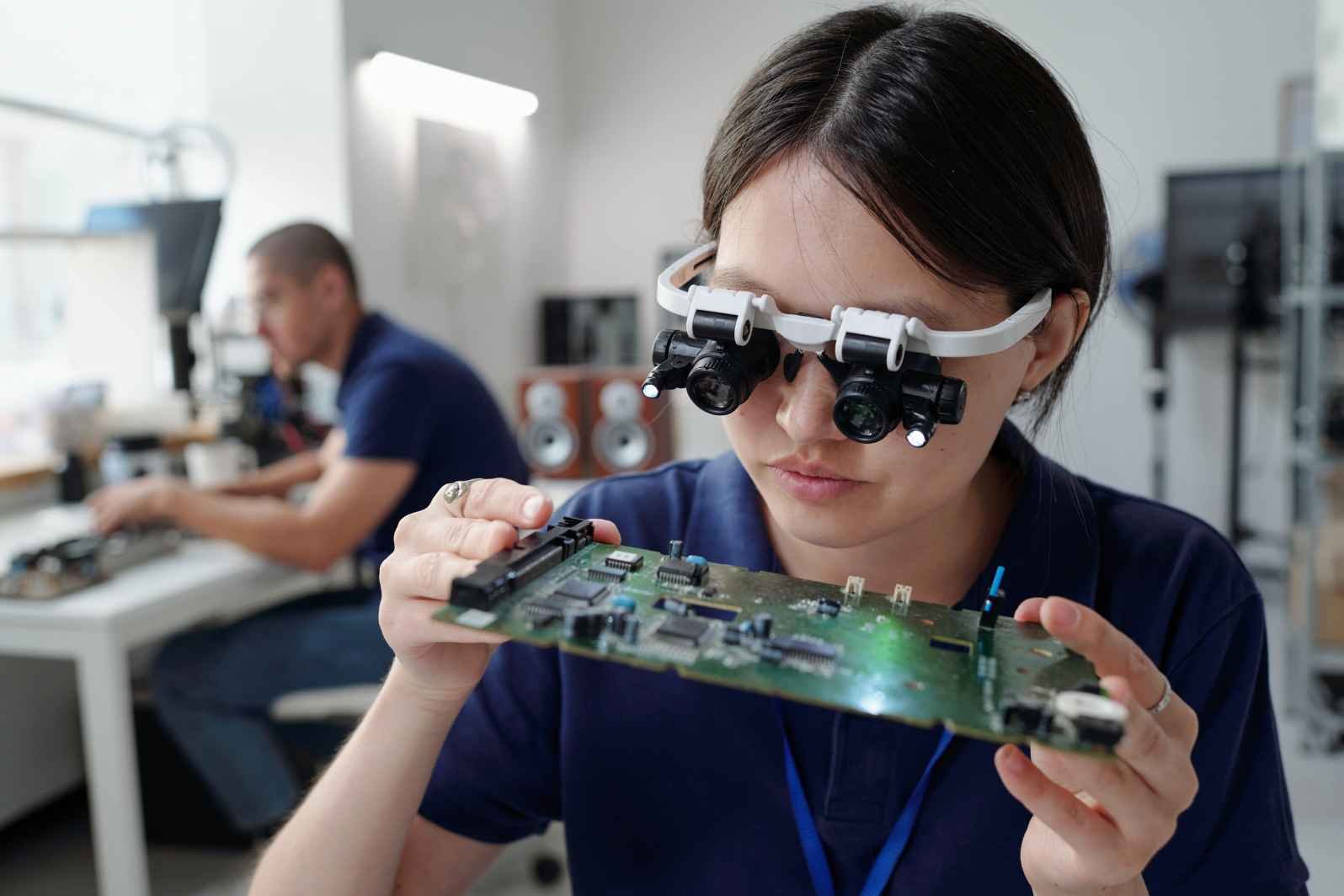
Technology is now a fundamental aspect of nearly every profession today. We have come to a point where students are presumed to learn at least some low-level technical skills in order to get jobs, regardless of what they study. They no longer just scrutinise exam results: they want to see that graduates can jump straight into a fast-paced, 21st-century work environment. Gaining the right tech skills before graduation may be key to employability and advancement.
Digital Literacy And Productivity Tools
All tech skills of today are built on a base of digital literacy. Students should be familiar with computers, operating systems and popular productivity software.
This also consists of documents, spreadsheets, presentations and cloud tools you are using. Regardless of the industry, it’s crucial to be familiar with email etiquette, online collaboration tools, and file organization.
Having good digital literacy is a time saver, and also prepares students for the world of work.
Basic Programming And Coding Skills
Learning to code provides students with a solid sense of how technology works, and it’s also great for learning logic skills. Coding literate is becoming more important in even non-technical roles.
Python, JS or basic web technologies are easy to begin with. Students are not to learn how to be software engineers, but knowing the structure an logic of code is highly valuable.
Knowing how to code also grants access to opportunities for automation and problem solving.
Data Literacy And Analytical Thinking
Data based decision making has now become standard practice in every sector. Ss need to know how to read, interpret, and analyze data.
Fundamental data skills would -to work with spreadsheets, to understand charts, and to interpret trends. Such advanced learners can venture into the data analysis tools and visualization platforms.
Data literacy enables students to base arguments on facts and make informed decisions.
What You Need to Know About Internet Marketing and Being Online
But digital marketing skills apply outside of traditional marketing careers. Learning the mechanics of online platforms helps students create personal brands and professional visibility.
Highlights are maintains social media accounts, creates content; this is his guide to Google basics and engaging with your audience. It’s helpful for entrepreneurs, freelancers and people in the corporate world.
There are excellent networking and career possibilities through online visibility.
Cybersecurity And Online Safety Awareness
The more you use the digital world, the more responsible you become for taking care of it. All students need to be cyber-savvy in order to safeguard personal and professional information.
ie Passwords, Phishing, Privacy and Security Online This applies to how to manage your password s, phishing awareness as well as data privacy and security online. Cyber education limits harm and fosters trust in online settings.
Cyber security awareness How important is cyber hygiene in our lives and at work?
Communication And Collaboration Using Technology
We are all working in a digital first world and our offices are powered by digital communication tools. Students need to be willing to work together through video conferencing, messaging services and project management software.
Key competencies are virtual communication, clear digital writing and working in teams with an online platform. Efficient tech-enabled communication increases productivity and reduces misinterpretations of message.
These are abilities that can be especially valuable in remote and hybrid workplaces.
Familiarity With Emerging Technologies
Not everyone needs a deep knowledge, but understanding new technology helps students keep ahead of the curve and ready for tomorrow. Getting to know the likes of AI, automation, cloud computing and blockchain can help position you towards industry trends.
Students who keep up with the newest tech can pivot more easily and spot new career opportunities.
Problem-Solving And Adaptability With Technology
Technology advances so rapidly that being adaptable is among the most important abilities. It has little relevance beyond the K-12 walls where it grew. Students need to learn to learn, not be trained on a tool.
The use of technology to solve problems is by experimenting, researching and integrating the solution. It is this mindset that helps prepare students to navigate the new tools and platforms they will encounter during their professional lives.
General aptitude is as important or more than specific technical expertise.
How Students Can Begin to Develop Tech Skills
Students can begin easing into that set of tech skills while still in school.
Effective approaches include:
- Taking online courses and tutorials
- Practicing with real-world projects
- Participating in internships or workshops
- Exploring open-source or collaborative platforms
When it comes to learning technology, consistency is more important than speed.
Balancing Skills And Core Education
Tech skills are important, but they should not be a substitute for, but rather complement academic learning. Solid foundation, common sense logic and communication are still key.
The combination of technical skills and subject-area knowledge will produce more versatile graduates prepared for a range of positions.
Conclusion
Students can no longer afford to graduate without core tech skills. Digital literacy, introductory coding, a grasp of data analysis and some online communication and cybersecurity skills already equip pupils for work in the modern world. Together, with the two other Rs of adaptability and life-long learning, these would be the skills students need to survive in a rapidly shifting job market. Students who spend time accumulating tech skills early in life develop confidence and flexibility and can start building a long-term career advantage.
FAQs:
Q1. Do Nontechnical Students Need to Learn a Technical Skill?
Yeah, because basic tech skills are relevant to every field the arts, commerce and the humanities.
Q2. Should Students Learn More About Code Before Graduating?
You don’t need to be a coding ninja, but knowledge in the basics of programming helps quite a bit.
Q3. How Can College Students Learn Tech Skills With Their Studies?
Through online courses, practical projects and internships, students can build skills incrementally.
Q4. Which Tech Skill Do You Think Is Most Important For Students To Learn?
The most important skills that all students will need are digital literacy and adaptability.
Q5. Will Tech Skills Lead to Better Jobs After College?
Sure, tech skills make students more employable and help them adjust to work as it continually changes.